
Noise leakage means unwanted sound gets into your workspace. Why should HR care? Discover how to professional window installation including what to check before and after fitting.. Because noise hurts employee well-being and productivity. Studies show that noisy places make it hard to focus, increase stress, and cause more absences. Window frames often cause this because they're usually the weakest part of a building's soundproofing.
Address noise issues if employees complain, your office is near loud areas (streets, construction), or you're planning renovations. The solution isn't always easy. Caulking gaps might not cut it. The problem is often in the frame or between the frame and the wall.
To check, look for air gaps with a smoke pencil or feel for drafts. Use acoustic sealant, not regular caulk, to seal gaps. For big noise problems, think about acoustic window inserts or new windows with sound-reducing glass. Don't just focus on the glass! If the frame isn't sealed well, good glass won't help. Ignoring noise can make employees unhappy, lower productivity, and cost more to fix later.

Noise isn't just annoying. It hurts your business. Window noise makes employees stressed, ruins their focus, and can cause health issues. Stressed employees are less productive.
Studies show that noise at work reduces brainpower. This means more mistakes, missed deadlines, and less output. Stress also increases sick days and "presenteeism" (being at work but not working well), which costs money.
When should you fix window noise? If employees complain, if you're near traffic or construction, or if you want a better workspace. You don't always need new windows. Sealing gaps around the frames can be enough.
Don't just fix what you see. Sound travels through tiny holes. Also, use the right sealant. Get materials made for sound blocking. If you ignore the problem or use the wrong fix, expect less productivity, higher health costs from stress, and unhappy employees. Ignoring window noise hurts your profits.
The frame matters. For example, hollow aluminum frames let sound through easier than solid wood or vinyl. Composite frames balance insulation and durability. To check for noise leakage, tap the frame in a few places. If it sounds hollow, it won't block sound well. This means the window could let noise in.
Gaps in the weather stripping are a major cause. Over time, seals break down. Run your hand along the frame where it meets the window. If you feel air, the seal is bad. Replacing the weather stripping is a cheap fix that can cut down on noise. People often forget this simple task.
Single-pane windows don't block sound well. Upgrading to double- or triple-pane windows with different glass and gas fills (like argon) makes a big difference. The space between the panes absorbs sound. Check for condensation between panes. If you see it, the seal is broken, and the window isn't insulating well.
Even the best windows fail if installed wrong. Gaps between the frame and wall let sound around the window. Check for gaps around the trim, inside and out. Seal these with caulk or foam. Bad installation is a common problem that cancels out the benefits of good windows.
The lock needs to pull the window tight against the frame. Loose latches keep the seal from working, letting in noise. Check the hardware for wear. Fix or replace anything that doesn't make the window fit tight when closed. This makes sure the window blocks noise as it should.
Noise getting in around window frames? The cause is usually airborne, impact, or vibrational noise.
Why does this matter? Noise hurts employee concentration and productivity. If your office is near a busy street or train line, you likely have airborne noise issues. New construction nearby means impact noise. Older buildings often have vibrational problems.
A common mistake is ignoring the noise type and using the wrong sealant. This won't work. Also, check for flanking paths. Noise might enter through the wall around the window. If you don't fix the real problem, you waste time and money. Employees stay distracted, and productivity remains low.
Airborne noise includes typical sounds like traffic or outside conversations. Impact noise happens when something hits the building, like nearby construction. Vibrational noise is a low hum that travels through the building itself, like a bus driving past.
How do you fix it? First, find the source. Walk around the window frame. Can you feel vibrations? Can you hear sounds more clearly near certain spots? Next, check the seals for cracks or gaps, which let noise in. Acoustic sealant works for airborne noise. For vibrations, try decoupling the window frame from the wall using resilient mounts.
Soundproofing windows involves more than just using thicker glass. The goal is to stop sound waves from vibrating through the window and into your office. Sound acts like energy, finding the easiest way through.
Gaps let sound in. Even small cracks around the window frame allow sound to pass through. This is why airtight seals matter. Use compression seals, not cheap weather stripping. This is especially important for blocking low-frequency noise from traffic or HVAC.
Even a sealed window can transmit sound if the frame vibrates. That's where mass and damping come in. A heavy frame made of solid wood or composite vibrates less. Damping materials inside the frame absorb vibration and turn it into heat.
Common mistakes include cheap seals, hollow vinyl frames, and ignoring the wall around the window. If the wall is thin, sound will bypass the window.
If you don't address this, expect employee complaints, poor concentration, and health issues from noise. Fixing it later costs more and causes disruption. Do it right the first time.
When fighting noise, the window frame matters more than you think. It's not just the glass. Wood, vinyl, aluminum, and fiberglass all block sound differently. This affects how well employees can focus, especially near busy streets or factories.
Wood frames look nice, but they can warp and crack. This creates gaps where sound leaks in. Vinyl blocks sound better than aluminum and costs less than wood or fiberglass. But cheap vinyl can break down, again making gaps for air and noise. Aluminum frames last a long time but let sound and temperature pass through easily. This makes them the worst at blocking noise unless they have special thermal breaks. Fiberglass is a good middle ground. It blocks sound well, lasts long, and resists weather. But it often costs more to start.
Many people think new windows alone will fix noise. But if the frames don't seal to the wall, noise still gets in. Always use acoustic sealant when installing windows. If you don't, even the most expensive windows won't work. Choosing the wrong material or cheaping out on installation wastes money and keeps noise problems alive. You might save money at first, but unhappy employees and lower productivity will cost you more in the long run. Remember to think about maintenance and replacement costs when choosing windows.
Window glazing affects noise reduction. If you want a quieter workspace for your employees, this matters. Single-pane windows don't block much sound, so you may need to upgrade in noisy places. Double-pane windows have an air gap that insulates sound better.
Wider air gaps usually mean better noise reduction. However, too wide, and the effect drops off. Triple-pane windows work even better, especially for low-frequency noise. Laminated glass uses a layer of PVB between two glass layers, which is great for soundproofing because the PVB dampens sound.
Sound Transmission Class (STC) ratings measure how well a window blocks sound. Higher STC numbers mean better noise reduction. For moderately noisy areas, aim for STC 30 or higher to notice a difference. For very loud areas, go for STC 40 or more.
Here's why sealing windows matters: Even high-STC glazing won't work if the window isn't sealed well. Air gaps let noise through. Special coatings can also change sound transmission a little, but glazing type and air tightness are the main things. If you don't seal windows after upgrading, you waste money and disappoint employees.
Here's that article section:
Is noise seeping in around your windows? You're not alone. The good news is you can often fix it without spending a lot. Small gaps add up, especially in older buildings. That constant noise can hurt focus and even how you feel. For HR, fixing this in advance, especially in open offices, can make employees happier and more productive.
First, find the leaks. On a windy day, run your hand around the window frame. Do you feel air? That's a leak. Usually, leaks happen where the frame meets the wall or where the weather stripping is worn out.
For small gaps (under ¼ inch), use caulk. Get paintable acrylic latex caulk. First, clean the area. Then, apply a line of caulk and smooth it with a wet finger. That's it. For bigger gaps, use foam tubing to fill the space before caulking. This saves money and stops the caulk from cracking later.
Weather stripping is important for the parts of the window that move. Peel-and-stick foam weather stripping is easy to put on, but it wears out. Better V-strip or felt weather stripping lasts longer but takes more care to install. Make sure the window can still close!
Don't use expanding foam sealant if you don't know how much it expands. It can bend window frames. If you're not sure, get help from a pro. A handyman or window contractor can seal tricky spots or replace bad weather stripping. If you don't, expect more noise and higher energy bills.
Want to reduce outside noise? Weather stripping is a start, but advanced options can make a big difference, especially near busy streets or factories. Acoustic window inserts are custom panels that fit inside your windows and noticeably cut noise. They're easy to install and remove, which is great for renters. However, they can cost a lot and might not fit odd-shaped windows.
Soundproof curtains are cheaper and look nicer, but they don't work as well as inserts. Look for thick, multi-layered curtains made for sound absorption. Keep in mind that they block light, and you must install them correctly to avoid gaps. Gaps make them useless.
Vibration-dampening window films are another choice, but they don't reduce noise much. They're better for small noise problems, not heavy traffic or construction. A common mistake is using the wrong film or not prepping the window, which causes bubbles and peeling and does nothing for sound. If noise is a big problem, inserts or curtains are a better bet. Ignoring noise hurts employee well-being and productivity, which can increase absences and lower job satisfaction. Choose carefully.
Noise from leaky windows isn't just annoying. It cuts productivity and raises stress, especially near busy streets or factories. Constant distractions kill focus.
When should you worry? If employees complain about noise, or if you're near a noisy area, check it out. Also, check after any window repairs.
Here’s a quick way to check. First, look at all window frames, inside and out. Can you see daylight through any cracks? That's a clear sign. Feel for drafts when it’s windy.
Next, try the "dollar bill test." Can you slide a dollar bill between the closed window and the frame? If yes, the seal is bad.
Sound meters can help, but your ears work, too. Stand by the window. Can you clearly hear street noise? Now, go to the center of the room. Is there a big difference? That means noise is leaking in.
Fix the worst leaks first. Is the CEO's office noisy? Fix that right away. What about a noisy server room next to HR? That's also a priority. Ignoring these problems leads to complaints and lower focus. You might even need to buy sound-masking systems. Bad window seals also let in drafts, which raises heating and cooling costs. Ignoring the problem won't help.
Soundproofing window frames does more than just lower the noise. Noise hurts employee productivity. Studies show that noisy workplaces make it harder to focus, which leads to mistakes and missed deadlines. Fixing this problem can lead to real benefits.
When should you think about soundproofing? If you're near busy streets, construction, or even a noisy office, it's worth looking into. Start by checking the noise levels. Measure the sound at different times of the day. Ask your employees how the noise affects them.
To calculate the return on investment (ROI), consider these things. First, find out how much soundproofing will cost. Get several estimates that list the price of materials and labor. Then, think about how much more productive your employees might be. If soundproofing improves concentration by 10%, figure out how much more they'll produce. Also, think about healthcare costs. Noise can cause stress and health problems. Finally, consider your property value. Soundproofing can make your building more attractive to buyers.
A common mistake is only looking at the initial price. If you ignore the long-term benefits, you'll get the wrong idea about the ROI. Another mistake is using cheap, ineffective products. If you don't install seals correctly or use low-quality materials, you won't get the results you want and you'll waste money. If you do a bad job, you might not reduce the noise much, waste money, and even damage the window frames, which would cost even more to fix.
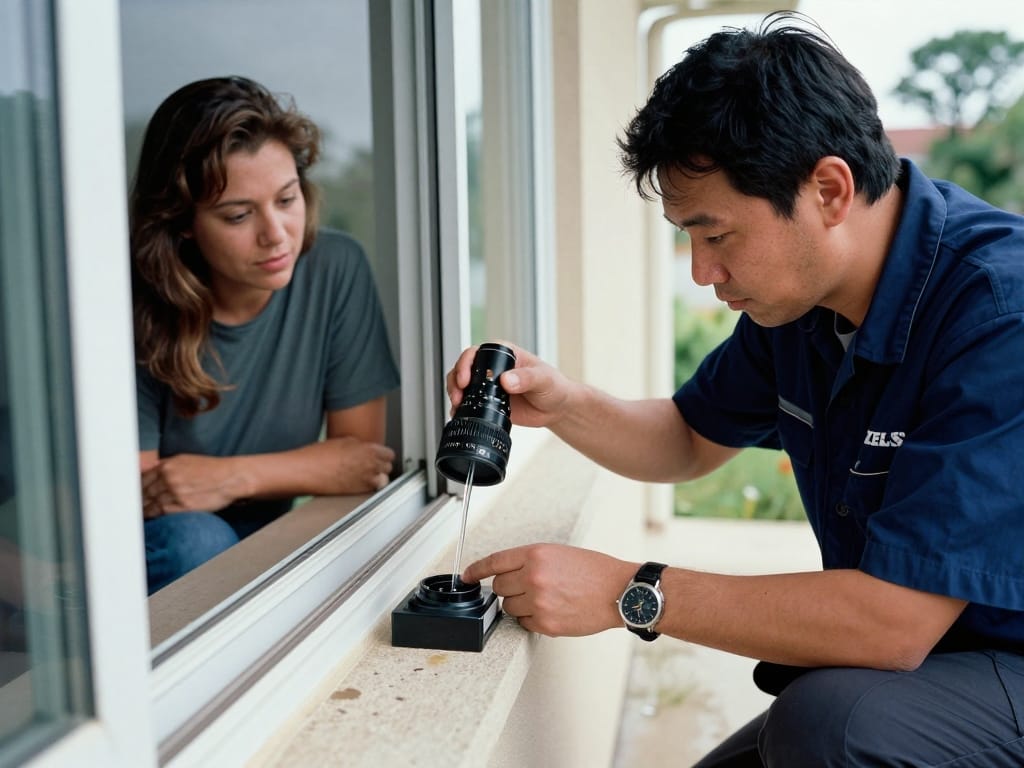
Should you soundproof window frames yourself or hire a pro? The answer depends. If employee productivity suffers from noise, fixing window noise is more than cosmetic; it impacts your bottom line.
DIY seems cheaper at first. Caulk, weather stripping, and acoustic sealant seem easy enough. But here's the problem: if noise comes through the wall *around* the window, you'll waste time and money. Diagnosing that requires expertise. Also, older buildings might have lead paint, so you need a certified professional.
A contractor will check everything, find all noise sources, and suggest a fix. This might include new windows, but often it involves sealing and insulating *around* the frames. The downside is cost. However, good contractors offer a warranty. If the noise isn't reduced as promised, they fix it. With DIY, you're on your own.
Bad DIY can make the problem worse by creating new air gaps. Also, improper sealant can damage window frames. If unsure, get three quotes from good contractors. Ask about their experience with similar buildings and noise reduction guarantees. It's an investment, but it could improve employee focus and reduce complaints.
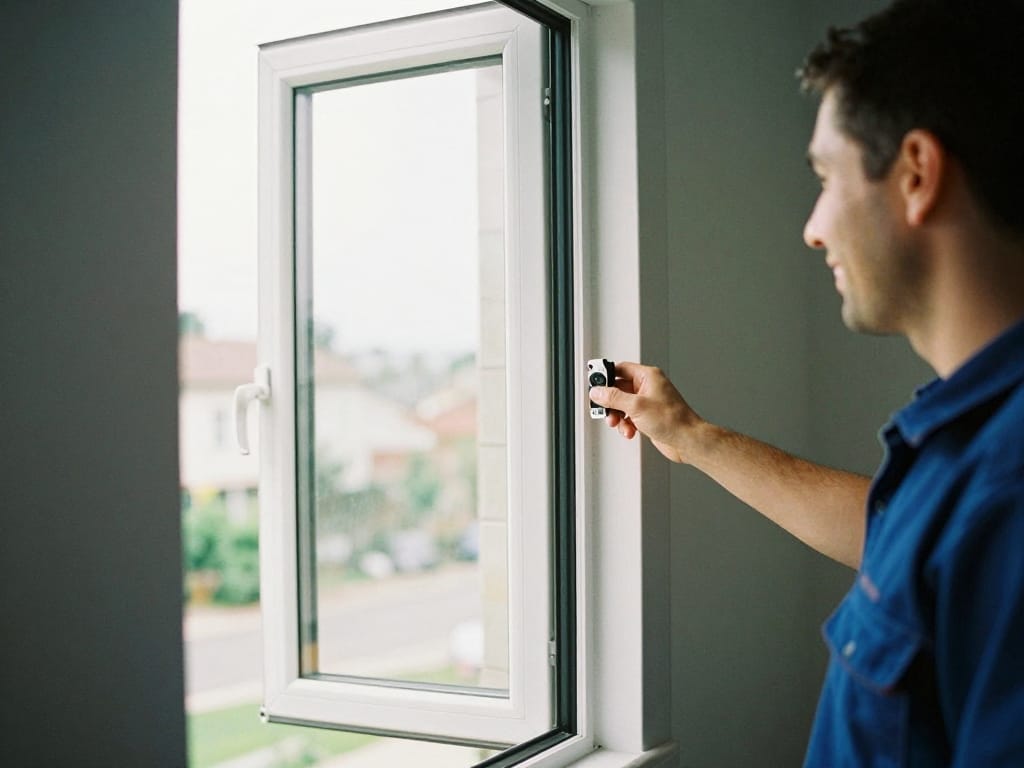
Let's examine how some companies handled noise leaking through window frames. This issue is common, and fixing it can make employees much happier. Consider open offices near busy streets or factory floors. Sound leaking in or out can distract, stress people, and make it harder to focus. Fixing this directly boosts productivity and well-being, which HR cares about.
For example, MedCorp, a drug company with a large research lab, had complaints about traffic noise messing up experiments. They sealed window frames with acoustic caulk and added secondary glazing panels. The result? Noise dropped by 7dB, a big change. Employee surveys showed concentration rose 20% after the upgrade.
TechForward, a software company, used soundproof curtains and frame sealing in their call center. Their problem was noise leaving the building and bothering neighbors. They cut external noise complaints by almost 40% by focusing on window frames. The main point? Don't just add foam. Air gaps are the problem. Seal the frame before adding other treatments, or you'll waste money. Bad installation can make noise worse by creating resonant cavities. Get a pro to find leakage points. Otherwise, you might spend money in the wrong places and see no change.
Soundproofing windows requires ongoing care. Here's why: Even small gaps let noise in, which hurts focus and increases stress. This affects employee well-being, productivity, and the number of noise complaints.
Check window seals twice a year, ideally in spring and fall. Check again after construction or bad weather. Look for cracks, crumbling, or loose sections. Feel for drafts around the frame. Any draft means a problem.
Fixing it often means replacing the weather stripping. Use quality materials because cheap foam breaks down fast. Clean off old residue before applying the new stripping. Use silicone caulk for small gaps, but don't use too much, or you won't be able to open the window!
The biggest mistake is ignoring small damage. Small cracks become big problems over time. Also, don't paint windows shut. Forcing them open damages the seals. This leads to failed soundproofing, wasted money, and unhappy employees. Skipping maintenance means redoing the entire job sooner.
Soundproofing for window frames is changing. Active noise cancellation, like in fancy headphones, is now in window design. Sensors in the frame hear noise and send out opposite sounds to stop it. It's new, and it costs money, but it could work, especially where it's loud.
Smart glass is another thing to watch. This glass can change how it works, even how sound passes through, using electricity. You can dim the noise when you want. It's not common yet, but it's getting better fast.
But watch out when you set up these new tools. If you don't set up active noise cancellation right, it can make some sounds louder. Smart glass needs power and a way to control it. If those fail, you have a costly window that doesn't block sound.
The main issue is thinking these tools fix everything. They often work best with old-school soundproofing like good seals and thick glass. Don't think one tech item will fix all noise issues.
Noise leaking around window frames can distract people at work. Open offices or individual offices near busy streets are examples. It's not just about loudness. Some sound frequencies disrupt concentration and productivity more than others.
When should you be concerned? If employees complain about noise, especially near windows, or if your building is near traffic, construction, or HVAC equipment. Fix this early, especially after renovations or new construction. It's cheaper than dealing with lower productivity and unhappy employees.
How do you fix it? First, inspect the windows. Look for gaps between the frame and the wall, or between the window and the frame. On a windy day, feel for drafts. Sealing these gaps is important. Use caulk, weather stripping, or expanding foam for larger gaps. For serious problems, use acoustic sealant to dampen sound.
What are common mistakes? Using the wrong sealant. Cheap caulk cracks over time. Also, only fixing obvious gaps and ignoring the rest. If you don't seal every gap, noise will still get through.
What happens if you don't fix it? Employees will lose focus and feel stressed, which lowers productivity. The cost of materials is low compared to the potential productivity loss. Noise also creates a negative work environment, which hurts employee retention.
Window frame noise is a real issue, especially in open offices or buildings near busy areas. It's not just about comfort. Too much noise hurts focus, increases stress, and lowers productivity. Employees who fight distractions make more mistakes and get less done.
When should you fix this? Obvious times include office updates or moving to a new building. Also, think about it if people complain about noise, even if it seems unrelated to windows. Here's a simple test: On a noisy day, walk around the window frames. Can you hear a clear difference compared to the wall? That's a leak.
How do you fix it? You don't always need to replace the whole window. Start simple. Check the weather stripping and caulk for gaps or cracks and replace them. For bigger problems, acoustic sealant or a second interior window can help a lot. Choose sound-dampening materials. Regular caulk won't work.
What if you ignore it or do it wrong? Quick fixes waste money. They often fail fast, and bad sealant can trap moisture and cause mold. The real cost is lower productivity and unhappy employees. Take action. A quieter workplace is a better workplace.
Gaps around window frames often let noise into offices. This is a common problem that people miss. But it can hurt productivity and raise stress, especially near busy streets or factories. Sealing these gaps helps control temperature and creates a better workspace.
Address this issue when renovating, moving, or when employees complain about noise. Look for gaps around the frame, where it meets the wall, or around the windowpane.
Here's how: Apply acoustic caulk or weather stripping to the gaps. For bigger gaps, use a backer rod first. Make sure you cover everything, because even a small hole lets sound through.
Don't use cheap sealant that isn't for sound. It won't work. Also, don't just fix the obvious gaps. Check for smaller ones too.
If you don't seal windows right, you waste money on other noise fixes. Noise makes it hard to focus, which leads to mistakes and less output. This fix is cheap and can greatly improve how employees feel and perform.

Convection (or convective heat transfer) is the transfer of warm from one place to another due to the motion of fluid. Although typically gone over as a distinct method of warmth transfer, convective warm transfer includes the combined procedures of transmission (warm diffusion) and advection (warmth transfer by mass fluid flow). Convection is usually the dominant form of warmth transfer in fluids and gases. Keep in mind that this meaning of convection is only appropriate in Heat transfer and thermodynamic contexts. It ought to not be perplexed with the dynamic liquid phenomenon of convection, which is typically described as All-natural Convection in thermodynamic contexts in order to differentiate both.
.A window is an opening in a wall, door, roofing system, or automobile that allows the exchange of light and might also enable the flow of audio and sometimes air. Modern windows are generally glazed, or covered in some other transparent or clear material, a sash embed in a structure in the opening. The sash and framework are additionally referred to as a home window. Numerous glazed home windows may be opened up, to permit ventilation, or closed to exclude stormy weather condition. Windows might have a latch or similar system to lock the window closed or to hold it open by numerous quantities. Types consist of the eyebrow window, repaired windows, hexagonal home windows, single-hung, and double-hung sash home windows, horizontal sliding sash windows, casement windows, awning windows, hopper home windows, tilt, and slide home windows (usually door-sized), tilt and turn windows, transom home windows, sidelight windows, jalousie or louvered windows, clerestory windows, lancet windows, skylights, roofing system windows, roof lights, bay home windows, oriel windows, thermal, or Diocletian, windows, image windows, increased home windows, emergency exit home windows, stained glass home windows, French windows, panel home windows, double/triple-paned windows, and witch home windows.
.